
Jeju Entertainment Gives a Glimpse in the Future of Customer Service

The types of Jeju entertainment options (제주유흥 종류) are ranging from karaoke lounges and themed cafés to stylish modern salons. These options do reflect the island’s vibrant and ever-evolving culture. These establishments are creating inclusive spaces where communities gather for fun, connection, and relaxation.

This same spirit of adaptation is now shaping global industries like customer service, where artificial intelligence (AI) is playing an increasingly vital role alongside traditional human interaction. Just as Jeju’s entertainment landscape thrives by blending tradition with innovation, businesses are discovering that combining AI-driven solutions with human touchpoints delivers more engaging and effective customer experiences.

Promise of AI-Powered Assistance

AI-driven chatbots, voice assistants, and service robots are transforming how businesses connect with their customers. By offering instant responses and 24/7 availability, they streamline interactions that once required human staff. 

These technologies excel at managing repetitive tasks, such as:

  • Answering FAQs
  • Scheduling appointments
  • Tracking orders

Tasks that are often time-consuming that are freed up for employees to focus on more complex needs. For businesses, the result creates a dual advantage of reduced operational costs and improved customer satisfaction through faster, more consistent service.

Types of Jeju Entertainment and Personalized Experiences

Just as entertainment choices in Jeju cater to diverse preferences, AI in customer service delivers highly personalized responses that adapt to individual needs. Through machine learning, these systems analyze past interactions, purchase histories, and customer behavior. These pieces of information are then used to predict what users may require next. 

This predictive capability allows businesses to create smoother, faster, and more intuitive experiences for their customers.

Much like how people choose entertainment in Jeju based on their mood or interests, AI ensures every service interaction feels tailored, relevant, and efficient. When applied strategically, it is likely to build stronger customer loyalty in the process.

Human Interaction Still Matters

Despite AI’s strengths, human interaction remains irreplaceable in situations that demand empathy, nuance, and critical problem-solving. While chatbots and automated systems excel at efficiency, customers often seek genuine conversations when facing sensitive or emotionally charged issues. 

This human touch not only resolves concerns with compassion but also builds trust and loyalty in ways machines cannot replicate. The future of customer service lies in finding the balance between AI tools and humans. Today is the best time to leverage AI for speed and convenience while empowering humans to deliver understanding and connection.

Blended Future of Service

The future of customer service lies in hybrid models, where AI efficiently manages routine inquiries while humans step in to provide advanced support. This creates synergy that ensure speed and consistency without sacrificing the empathy and creativity that only people can deliver. 

Companies that successfully master this balance will not only reduce operational costs but also elevate customer satisfaction. Much like diverse entertainment venues in Jeju that evolve to satisfy a wide range of audiences, businesses that integrate both AI-driven efficiency and human understanding will set new benchmarks for modern customer experience.
Smart Collars and GPS Trackers: The Tech Revolution in Pet Safety

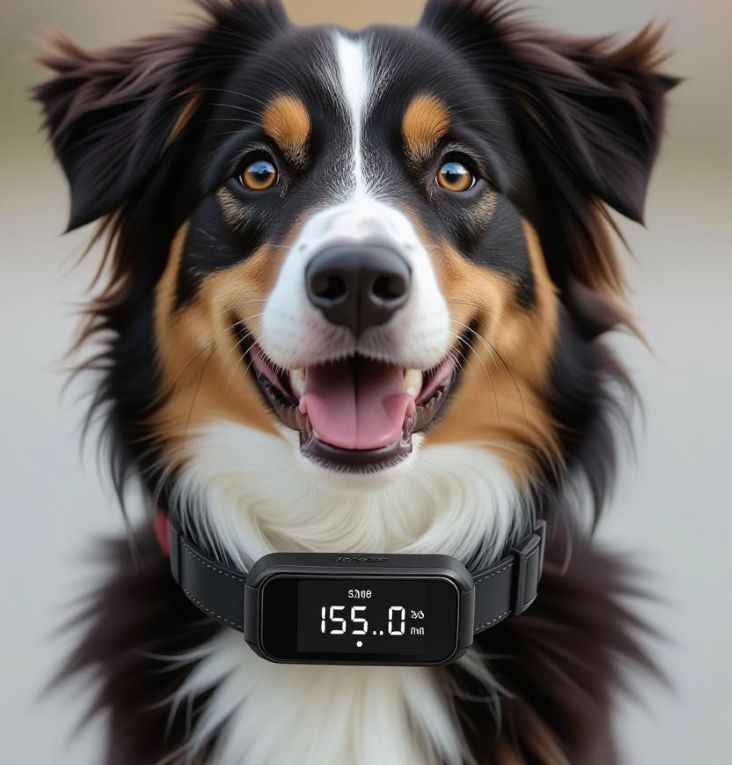
smart dog collarMore than 10 million pets are lost every year in the United States alone, according to the American Humane Association. That staggering number has driven a wave of innovation in pet technology, giving rise to tools that help owners track, monitor, and care for their furry friends in real time. From GPS collars to smart feeders, the modern pet care industry is embracing the same digital transformation that reshaped fitness and health for humans.

Among these innovations, smart collars and GPS trackers stand out as essential tools for responsible pet ownership. They not only help locate lost pets but also track movement, heart rate, and even calories burned. When combined with modern mobility products such as push chairs for dogs, these devices form part of a growing “smart care” ecosystem designed to improve comfort, safety, and quality of life for pets and their owners alike.

For a broader look at how innovation is shaping modern pet ownership, check out the best tech you can get for your pets, which explores some of the most useful and creative tools available today.

The Evolution of Pet Wearables

Pet wearables have come a long way since the first simple tracking collars hit the market. Today’s devices are sleek, lightweight, and loaded with sensors that capture everything from GPS location to sleep cycles. Pet owners can check their dog’s activity level or see whether they’ve strayed beyond a set boundary, all from a smartphone app. This instant connectivity builds peace of mind while promoting more active, informed care.

Many brands now integrate health data into veterinary software, allowing vets to review real-time metrics before a consultation. The same technology used in human fitness trackers, like accelerometers and GPS chips, has found its way into collars that can detect early signs of illness or stress. The result is proactive care, issues are caught sooner, treatments are more effective, and pets live healthier lives.

How GPS Trackers Are Changing the Way We Care

For pet parents, GPS trackers have redefined what it means to keep an animal safe. No more frantic searches or late-night posters on street corners. With geofencing features, owners can set virtual boundaries around their yard or neighborhood. The moment a pet wanders beyond that space, they receive an instant alert on their phone. It’s technology meeting empathy, designed to prevent heartbreak before it happens.

Beyond safety, GPS data provides insight into a dog’s daily behavior. Owners can see how far their dog walks each day or how much time it spends resting versus playing. For senior dogs or those recovering from surgery, these stats help track recovery progress and prevent overexertion.

From Feeding to Fitness: A Smarter Way to Care

Smart feeding systems are another piece of the puzzle. Automated feeders now sync with mobile apps, allowing precise control over meal times and portion sizes. Some even track how much food a pet consumes and send reminders when it’s time to refill the bowl. This data-driven feeding approach helps manage weight and ensures consistency, especially useful for multi-pet households or busy owners.

When used alongside wearable tech, the benefits multiply. A fitness tracker can monitor how much exercise a dog gets, while the feeding system adjusts calorie intake accordingly. It’s a holistic, connected way to balance nutrition and activity, just like fitness apps do for people.

Completing the Smart Care Ecosystem

Wearable tech doesn’t exist in isolation, it fits into a growing ecosystem of connected pet care products. From smart dog beds that track sleep quality to push chairs for dogs designed for comfort during long walks, the trend reflects a shift toward treating pets as integral family members. These devices enhance bonding moments while keeping animals healthy, happy, and visible at all times.

For instance, a dog with joint problems may ride comfortably in a stroller while wearing a GPS-enabled collar. The owner stays aware of heart rate, temperature, and stress levels without interrupting their day. That’s the beauty of smart pet tech, it adapts to individual needs while making care more human, not less.

The Future of Pet Technology

As AI and IoT technologies advance, the next generation of pet wearables will go beyond tracking. Future smart collars may analyze vocal patterns to detect emotions or predict anxiety episodes before they happen. Cameras could recognize changes in posture that signal pain or illness. These aren’t distant dreams; prototypes are already under development.

With more pet owners embracing digital solutions, brands are designing ecosystems where collars, feeders, and strollers sync together seamlessly. This integration transforms routine care into something intelligent, efficient, and deeply personal.

Conclusion: A Smarter, Safer World for Pets

The tech revolution in pet safety is just beginning. Smart collars, GPS trackers, and accessories like push chairs for dogs show how far we’ve come in merging technology with compassion. These tools give pets freedom while ensuring owners have peace of mind. Together, they form a new era of pet care, one that values data, design, and above all, love.

Technology can never replace the bond between pet and owner. But when used thoughtfully, it can make that bond stronger, safer, and more joyful than ever before.