
The Tech Behind Free Learning: Tools and Platforms for college textbooks free in the Digital Age
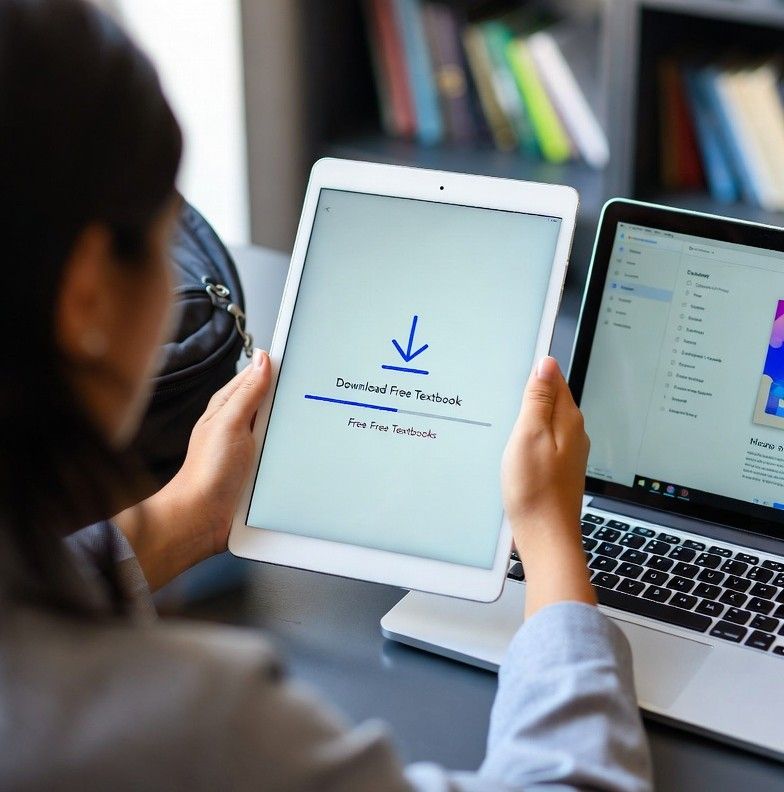
According to recent research by BestColleges and data compiled from the College Board, full-time college students often spend over $1,200 each year on books and supplies, which can feel like a budget-busting hit before tuition and rent are even paid. That’s a real eye‑opener when you think about it, especially in a time when education tech could change everything. So why are some students still spending so much when digital tools and online communities offer alternatives?
Many students, especially in their first year, turn to the internet looking for answers, typing queries like “where to get college textbooks for free” hoping to make it through the year without breaking the bank. What they discover is just the tip of a vast ecosystem powered by open access, smart algorithms, and cloud platforms that are quietly reshaping education. This is the story of the tech making free textbooks a reality for everyone.
Open Licensing and the Rise of OER
To grasp the tech at work, you have to understand why free textbooks exist in the first place. Traditional textbooks are locked down by strict copyrights and fancy pricing. Open Educational Resources (OER) shake that up by using Creative Commons and similar licenses that clearly allow sharing, teaching with, and sometimes even remixing content. That means professors, students, and self‑directed learners can use or adapt materials without legal headaches.
Platforms such as OpenStax, the Saylor Academy, and university OER repositories host free textbooks on subjects from calculus to literature. The tech behind these resources is simpler than you’d expect. They are digital files tagged with smart metadata that helps search tools and catalogs find them quickly. And when search engines can find free textbooks, students win.
Search Engines and Academic Catalogs
If OERs are the fuel, then discovery technology is the engine. You can have all the free textbooks in the world, but if students can’t find them, they might as well be in a basement archive. Enter academic search engines and library catalogs.
Tools like Google Scholar, WorldCat, and specialized educational search engines crawl thousands of academic repositories. They index metadata for books, chapters, and educational resources. When a student searches a keyword or topic, these systems parse the query, match it with indexed entries, and surface results that often include links to free downloadable files. Think of it as a librarian with superpowers that never sleeps.
Some platforms offer APIs that let developers build mobile apps and browser extensions that show free textbook options alongside paid ones. So if you search for a class title, an app might display a free PDF next to the official publisher’s listing. That sort of connective tech is quietly becoming a game changer in how students access materials.
Digital Libraries and Cloud Hosting
Storage and delivery matter too. Free textbooks have to live somewhere, and that’s where digital libraries powered by cloud services step in. Systems using services from big cloud providers or academic‑focused hosting let students download or stream materials without worrying about slow servers or broken links.
Older catalog systems were tucked behind university firewalls, meaning only students on campus could browse them. Newer federated search tools let students query multiple libraries at once, virtually turning every participating library into one massive shared catalog. It’s like having a global library card that just works, whether you’re on a laptop or phone.
Responsive design and mobile apps make all of this even friendlier. Students flipping through PDF textbooks on their phones, highlighting passages, and jumping to video lectures show just how far digital learning has come.
Collaborative and Community Platforms
There’s also a social layer that deserves attention. Platforms like GitHub and community education hubs let educators collaborate on open textbooks. They update content, add examples, fix errors, and track changes. This is similar to how software developers work together, and it keeps materials fresh in fast‑moving fields like computer science.
Version control tools let multiple people edit a textbook at the same time, merging improvements and keeping a record of changes. It’s like a community project for learning materials that stays current because the people who use it can contribute to it.
What’s Next: Future Trends in Ed‑Tech
Innovation in educational tech keeps evolving. AI tools are being tested to summarize sections of textbooks, generate practice problems, or suggest related free resources based on a student’s study habits. There is also growing interest in tech tools transforming math education and virtual tutoring, which show how digital platforms are helping students learn difficult subjects with more confidence. Augmented reality could make anatomy or history books immersive. Blockchain might help track contributions and credentials for textbook content. And faster global internet access means students in remote areas could access free academic content as easily as anyone in a big city.
Conclusion: A More Equal Education Landscape
The tech behind free textbooks is not some mystery. It’s a mix of open licenses, search and discovery tools, cloud storage, mobile apps, and community collaboration that makes academic content accessible. For students who once felt priced out of education, these systems are lifelines. They shorten search times, lower costs, and open up opportunities. As these platforms get better, more students will find what they need with less stress. That’s progress worth celebrating. Sooner or later, students will stop worrying about ‘where to get college textbooks for free’ and simply access what they need without the stress.
 More than 10 million pets are lost every year in the United States alone, according to the American Humane Association. That staggering number has driven a wave of innovation in pet technology, giving rise to tools that help owners track, monitor, and care for their furry friends in real time. From GPS collars to smart feeders, the modern pet care industry is embracing the same digital transformation that reshaped fitness and health for humans.
 Travel habits are changing fast, especially with new tech making packing smarter and easier. Airlines now offer different weight limits, and choosing the right luggage can make your journey stress-free. Budget carriers like Ryanair often allow cabin bags up to 10 kg with dimensions around 55 x 40 x 20 cm when you have priority boarding. Meanwhile, checked baggage usually offers 20 kg or more, giving you more flexibility but at an extra cost. Understanding your options and using the right tools can help you travel lighter and smarter.
 Augmented reality (AR) is now transforming online shopping experiences at a rapid pace. From sneakers to makeup, the technology helps people see how products look and fit without visiting a store. But when it comes to traditional clothing, like the qipao, customization and fit are even more important. AR offers a new way to bring elegance and precision into a digital space, allowing customers to visualize garments like never before.
 More than 90% of smartphone users look for local information online, and many of them visit a store or service provider within a day. That shows how powerful local search has become. Behind the scenes, technology is working hard to deliver those results fast and with pinpoint accuracy. Geo-targeted directories are leading this movement by using smart tools and systems to connect people with businesses and services near them, often in real time.
 Programmers now need laptops that go beyond just decent performance. Modern development environments demand faster processors, more memory, long battery life, and reliable operating systems that can keep up with the job, whether you’re debugging code, training machine learning models, or building full-stack web apps.


 Video content dominates the internet. Whether it’s a short TikTok clip or a detailed YouTube tutorial, creators rely on robust tools to bring their visions to life. Filmora, a leading video editing platform, has positioned itself as a resource hub for creators seeking cutting-edge features. Filmora equips users with tools that make video editing creative and efficient, from AI-powered effects to seamless cloud integration.
 Every beauty enthusiast knows that a well-organized makeup case is essential. But as technology advances, makeup cases are not just about storage anymore. They are becoming smart, tech-enhanced accessories that cater to modern needs. With innovative designs and new features, makeup cases have evolved far beyond traditional compartments.