
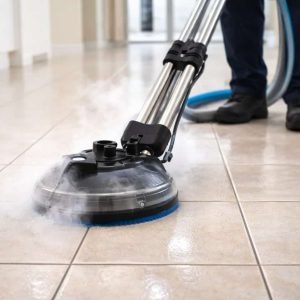
 Tile floors look tough. And they are. But the grout between them tells a different story. It stains. It traps moisture. It harbors bacteria. For years, cleaning tile and grout meant scrubbing by hand, using harsh chemicals, and hoping for the best. Now, with advanced methods and professional tile and grout cleaning Brisbane services, technology is changing that process in real, practical ways. From high-pressure steam systems to smart cleaning tools, the industry has moved well beyond the mop and bucket.
High-Pressure Steam Cleaning Systems
One of the biggest shifts has been the rise of high-pressure steam machines. These systems use heated water vapor to break down dirt, grease, and bacteria embedded deep in grout lines.
Steam cleaning works because of heat and pressure. The heat loosens grime. The pressure lifts it out. And it does this without relying heavily on strong chemical cleaners.
For homeowners, this means a deeper clean with fewer fumes. For professionals, it means faster jobs and more consistent results. Steam also naturally sanitizes surfaces, which matters in kitchens, bathrooms, and commercial spaces where hygiene standards are high. Older cleaning methods often left residue behind. Steam systems reduce that risk. They clean and rinse simultaneously.
Advanced Extraction Equipment
Cleaning grout isn’t just about loosening dirt. It’s about removing it completely. That’s where modern extraction equipment comes in. Today’s professional tile cleaning services use powerful vacuum systems designed specifically for hard surfaces. These machines inject cleaning solution into grout lines and immediately extract it along with dirt and debris. The difference is visible. Floors dry faster. There’s less leftover moisture trapped in grout.
Truck-mounted systems take this even further. They offer higher suction power and steady water temperature, which improves consistency across large spaces like shopping centers, hospitals, and schools. For property managers, this means less downtime. Floors can often be reused within hours rather than days.
Robotics and Automation
Automation has entered the tile cleaning space as well. Robotic floor scrubbers are now common in airports, warehouses, and retail stores. These machines map floor layouts and clean in systematic patterns. They apply consistent pressure and a cleaning solution, which reduces human error. Some models adjust water flow based on surface type.
For large facilities, automation lowers labor costs and improves efficiency. Staff can focus on detailed work while robots handle open areas.
This technology is not replacing professionals. It’s changing how they work. Skilled technicians still handle grout restoration, sealing, and problem areas. But automation reduces repetitive manual labor.
Smart Sensors and Surface Detection
Modern cleaning equipment now includes sensors that measure moisture levels and surface conditions. Some systems can detect how dirty a floor is and adjust cleaning intensity accordingly.
That matters because tile and grout vary widely. Ceramic tile reacts differently from natural stone. Porous grout behaves differently from sealed grout.
Smart systems reduce guesswork. They prevent over-saturation and minimize the risk of damaging delicate surfaces. For customers, this means fewer callbacks and longer-lasting results. Moisture sensors also help determine when a floor is fully dry. That reduces slip hazards in commercial settings.
Safer, Eco-Friendly Cleaning Solutions
Technology has also improved the chemistry behind tile and grout cleaning.
Older products relied heavily on acids or bleach. While effective, they can damage grout over time and pose indoor air quality concerns.
Today’s cleaning solutions are often biodegradable and designed to work with advanced equipment. Enzyme-based cleaners break down organic stains without corroding surfaces. Low-residue formulas reduce buildup.
This shift benefits both technicians and occupants. There’s less exposure to harsh chemicals. And surfaces maintain their integrity longer. In homes with children or pets, this matters. In healthcare or food service environments, it’s critical.
Grout Sealing Innovations
Cleaning is only half the equation. Protection is the other half. New grout sealing technologies create stronger, longer-lasting barriers against moisture and stains. Some sealants now penetrate deeper into grout pores. Others form surface shields that repel liquids more effectively.
Application tools have improved, too. Precision applicators allow technicians to seal grout lines without excess product spreading onto tile surfaces. Some sealants even include antimicrobial properties, helping reduce bacterial growth over time.
The result is fewer deep stains and less frequent heavy cleaning. That saves time and money in the long run.
Data and Digital Scheduling
Behind the scenes, software has changed how cleaning services operate.
Digital inspection tools allow technicians to document floor conditions with photos and moisture readings. Customers can see before-and-after results clearly.
Scheduling software helps property managers set routine maintenance cycles instead of waiting until floors look visibly dirty. Preventive maintenance extends the life of tile installations.
For businesses, this creates predictable costs. For homeowners, it reduces the stress of major restoration jobs.
What This Means for Homeowners and Businesses
Technology hasn’t made tile and grout maintenance effortless. But it has made it more effective and more precise. Homeowners benefit from deeper cleaning, faster drying times, and safer products. They can choose professional services that use steam and extraction instead of harsh scrubbing.
Businesses gain efficiency and compliance advantages. Advanced systems help meet hygiene standards while reducing labor demands.
But not every service provider invests in modern equipment. If someone is still relying only on mops and basic chemicals, results may reflect that.
When choosing a cleaning service, it’s worth asking specific questions:
- Do they use high-pressure steam systems?
- Is extraction included?
- What type of sealant do they apply?
- How long will it take for the floors to dry?
The Direction of the Industry
Tile and grout cleaning used to be seen as basic maintenance work. Now it blends mechanical engineering, chemistry, and digital tools. The focus has shifted from surface appearance to deep sanitation and long-term preservation. That’s a meaningful change.
And while no technology eliminates the need for proper care, modern systems reduce damage, shorten cleaning times, and improve health standards. For anyone managing tile surfaces, whether at home or in a commercial facility, the difference is noticeable. Cleaner grout lines. Fewer stains. Less disruption.
Technology is not just speeding up the process. It’s raising the standard of what “clean” actually means.